Takeaways from Future Now: Taking Action for People + Planet by Design
Summary provided by Rory Doehring
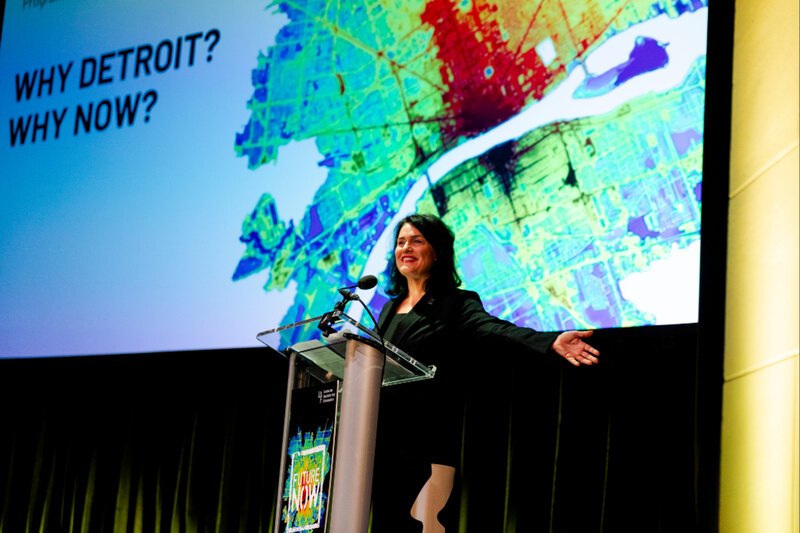
On June 4-5, the Landscape Architecture Foundation (LAF) convened a Summit in Detroit for the discipline to "meet the moment" and "make the most of the current disruption." The Future Now: Taking Action for People + Planet by Design Summit marked 10 years since LAF's influential Summit on Landscape Architecture and the Future, and The New Landscape Declaration, which was the resultant agenda and call to action for landscape architecture to make its vital contribution toward climate change, mass species extinction and inequity.
The Future Now Summit looked back at a decade of progress while reflecting on the collaborative action, ideas, and transformative leadership needed to increase the influence and impact of the profession. Rather than offering self-congratulatory solutions or being satisfied with a passing nod to systemic issues, speakers and attendees leaned into deeper conversations. Discussions directly confronted how traditional design practices have contributed to social inequity and environmental degradation, establishing a more honest, holistic foundation for the path forward.
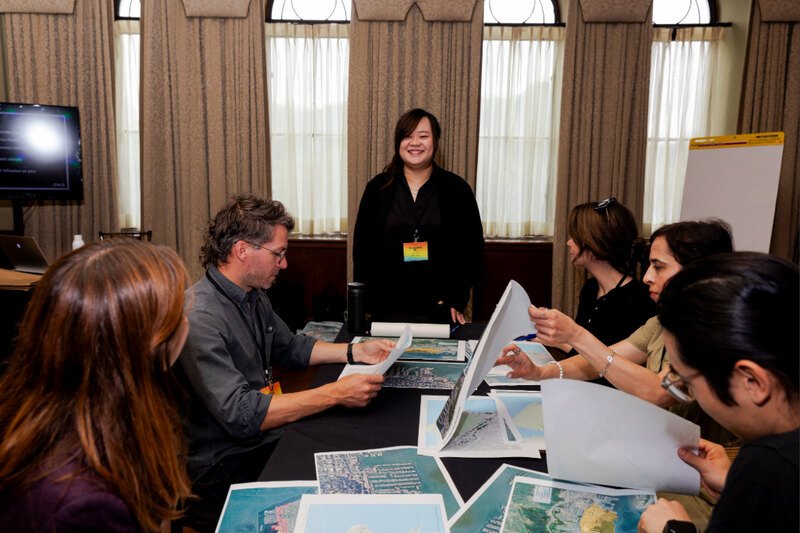
The Summit unfolded over two days of intensive programming, followed by an optional third day of field tours exploring how the event’s themes come alive in the local landscape. Speakers led lightning talks and panels aligned with the nine calls to action that emerged from the New Landscape Declaration, supported by workshops that complemented these themes.
Throughout these presentations, speakers reinforced a fundamental shift away from isolated projects toward deeply integrated, multi-layered partnerships. Presenters showcased efforts to combat climate change, elevate public health, restore biodiversity, and deepen human connectivity. Case studies grounded these lofty goals in real-world application, offering transferable lessons scaled from local interventions to continental initiatives, ranging from community art installations and the Detroit Miyawaki forest to Africa's Great Green Wall and the complex realities of managed retreat.
While many speakers celebrated these innovative strategies, others pushed the audience to wrestle with the discipline's darker legacies, including displacement, industrialization, and the erasure of Indigenous voices. This critical lens exposed how design has historically favored prestigious, well-resourced urban centers. Presenters noted how placemaking and creative reuse born of necessity in marginalized communities are frequently gentrified, repackaged and sold back to those same people at a premium. As speaker Fiwasewa Ogundipe aptly noted, “Dignity is not an added feature, but rather should be a baseline condition.” Ultimately, these sessions underscored a vital truth for the profession: rural and underserved areas deserve exceptional design, too.
Achieving this standard requires communicating far beyond the boundaries of landscape architecture. Several talks focused on how to articulate the value of "future-proofing," purposeful design, and the systems thinking central to landscape architecture to allied professionals, clients, and policymakers. When speaking about how to Use Your Voice, Evan Mather framed landscape architecture as a narrative medium that visualizes complex environmental shifts over time, allowing communities to physically see, feel, and understand climate change. However, as other presenters emphasized, a space’s true impact is defined by how a community actually activates it, which often subverts the designer’s original intent. By practicing genuine civic empathy and actively listening to the public, designers can create accessible, caring environments that foster communal memory, spark public engagement, and build widespread political will for climate adaptation.
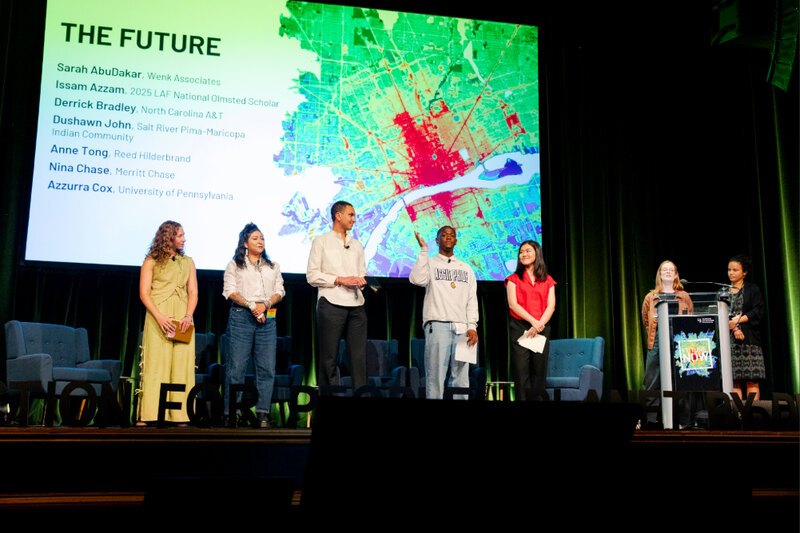
Though the Summit spanned a vast array of topics, from material specifications to social justice, one recurring mantra anchored the entire event: “Don’t waste a good disruption,” a phrase introduced by LAF Board President Alexa Bush in her opening remarks when making the analogy to the Underground Railroad in Detroit. Amid a world shaped by political friction, social movements, and accelerating climate impacts, this moment offers a unique, chaotic nexus for those ready to drive systemic change. After an electric few days together, attendees left inspired, energized, and asking themselves, “What do I want to bring into the future and how do I want to get it there?”